Nearest StationGuildford
Train to LondonFrom around 35 min to Waterloo
CouncilGuildford Borough Council
PostcodesGU1, GU2
Known ForCounty town of Surrey

About Guildford

Guildford's cobbled High Street drops steeply from the castle ruins to the River Wey, lined with independent shops, cafes, and the old Guildhall clock that's hung over the street since 1683. It's Surrey's county town but it still feels walkable and manageable. The castle gardens are a good spot for a lunchtime sit, and the river towpath connects south through water meadows toward Godalming.

The North Downs run right along the town's edge. You can walk from the centre up to St Martha's Hill in under an hour, through sandy paths and bluebell woods in spring. The North Downs Way national trail passes through, connecting to Box Hill and beyond. Newlands Corner, a few miles east, gives some of the best views in the county. Down by the river, the Wey Navigation is managed by the National Trust from Dapdune Wharf, and the towpath makes for a good flat walk or cycle.

Good schools pull families here. The Royal Grammar School and Guildford High are both well known, and there are strong state options too. Fast trains to London Waterloo take from around 35 minutes. The cathedral on Stag Hill, consecrated in 1961, is one of the few modern cathedrals in England, its clean brick lines visible from miles around. The town has a proper arts scene too, with G Live and the Yvonne Arnaud Theatre on the river.

History of Guildford

The name Guildford likely derives from "golden ford," a crossing point on the River Wey where marigolds or sandy soil marked the bank. Archaeological evidence suggests settlement here from at least the Saxon period, and by the time of the Domesday Book in 1086 it was already a significant town with a royal mint. The castle was built soon after the Norman Conquest, with the great tower added around 1130 using Bargate stone quarried locally. Henry III was particularly fond of Guildford and spent considerable sums on a palace within the castle grounds, adding a great hall, private chambers, and gardens. The castle remained a royal residence into the 14th century before falling into decline.

The medieval town prospered through the wool trade, and the wealth of the cloth merchants built many of the buildings that still line the steep High Street. The Guildhall, with its famous projecting clock that has hung over the street since 1683, remains the most photographed building in Guildford. Archbishop George Abbot, born in Guildford in 1562, founded his Hospital on the High Street in 1619 as an almshouse for elderly residents. It still operates today, and its red brick Tudor facade is one of the finest in the county. The Angel Hotel, a coaching inn on the High Street, hosted visits from Lord Nelson and Jane Austen's mother.

Lewis Carroll (Charles Dodgson) had a family home at The Chestnuts on Castle Hill, and he spent many of his later years here. He died in the house in 1898 and is buried at the Mount Cemetery. The Yvonne Arnaud Theatre, opened in 1965 on the banks of the Wey, was named after the French actress who lived in the town. Guildford Cathedral, designed by Sir Edward Maufe in a stripped-down Gothic style, was built between 1936 and 1961 on Stag Hill. It was one of only two Anglican cathedrals built on an entirely new site in England during the 20th century, and its clean brick lines are visible from miles around. The University of Surrey moved to its campus on the adjacent hillside in 1966, and the Electric Theatre opened in the old electricity works by the river in 1997.
Schools near Guildford

SchoolTypeAgesGender
Royal Grammar School Independent 11-18 Boys (co-ed sixth form)
Guildford High School Independent 4-18 Girls
George Abbot School State Secondary 11-18 Co-ed
Tormead School Independent 4-18 Girls
RGS Prep Independent 3-11 Boys
Getting Around

Nearest station: Guildford. From around 35 min to Waterloo.

The A3 runs past Guildford giving direct access to London and the south coast. The A31 heads west toward Farnham and the M3. Buses run regularly to surrounding villages and towns including Cranleigh, Godalming, and Woking. The town centre is fairly compact and cyclable, with the towpath along the Wey Navigation offering a flat off-road route south.

Local Life in Guildford

Guildford has all the major supermarkets, including a Sainsbury's and Waitrose in the centre. There are several GP surgeries across town. The high street has a strong mix of independent restaurants, chains, and pubs, plus a good number of cafes. The Tunsgate Quarter adds more shopping options.

Frequently Asked Questions

What is Guildford like to live in?

Guildford's cobbled High Street drops steeply from the castle ruins to the River Wey, lined with independent shops, cafes, and the old Guildhall clock that's hung over the street since 1683. It's Surrey's county town but it still feels walkable and manageable. The castle gardens are a good spot for...

How do I get to London from Guildford?

The nearest station is Guildford. From around 35 min to Waterloo to London.

What council area is Guildford in?

Guildford is in Guildford Borough Council.

What schools are near Guildford?

Schools near Guildford include Royal Grammar School, Guildford High School, George Abbot School, Tormead School. There is a mix of state and independent options.

What are property prices in Guildford?

Properties currently range from £1,595,000 to £2,450,000.

Things to Do in Guildford

Explore Nearby

Properties for Sale in Guildford

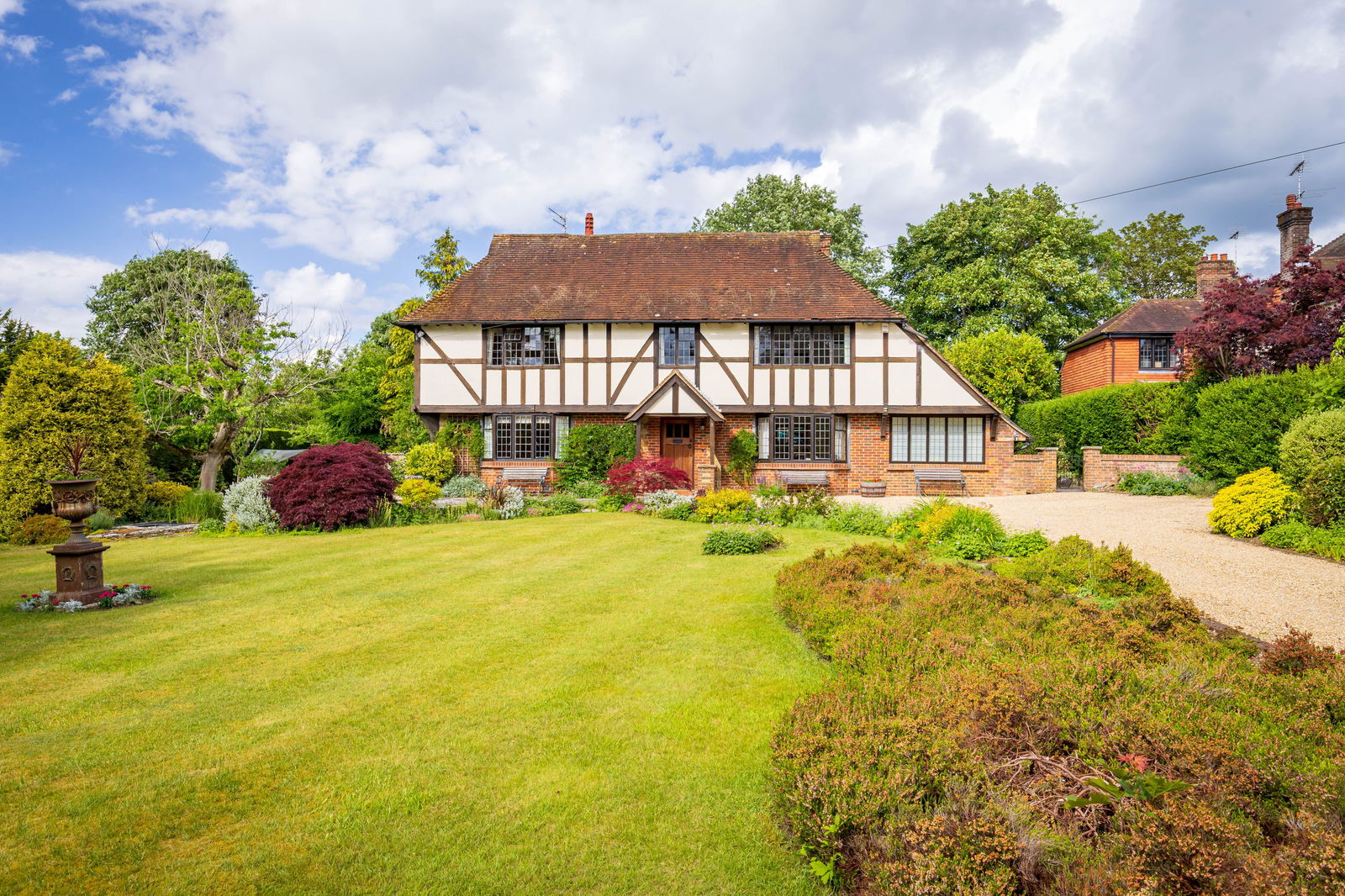
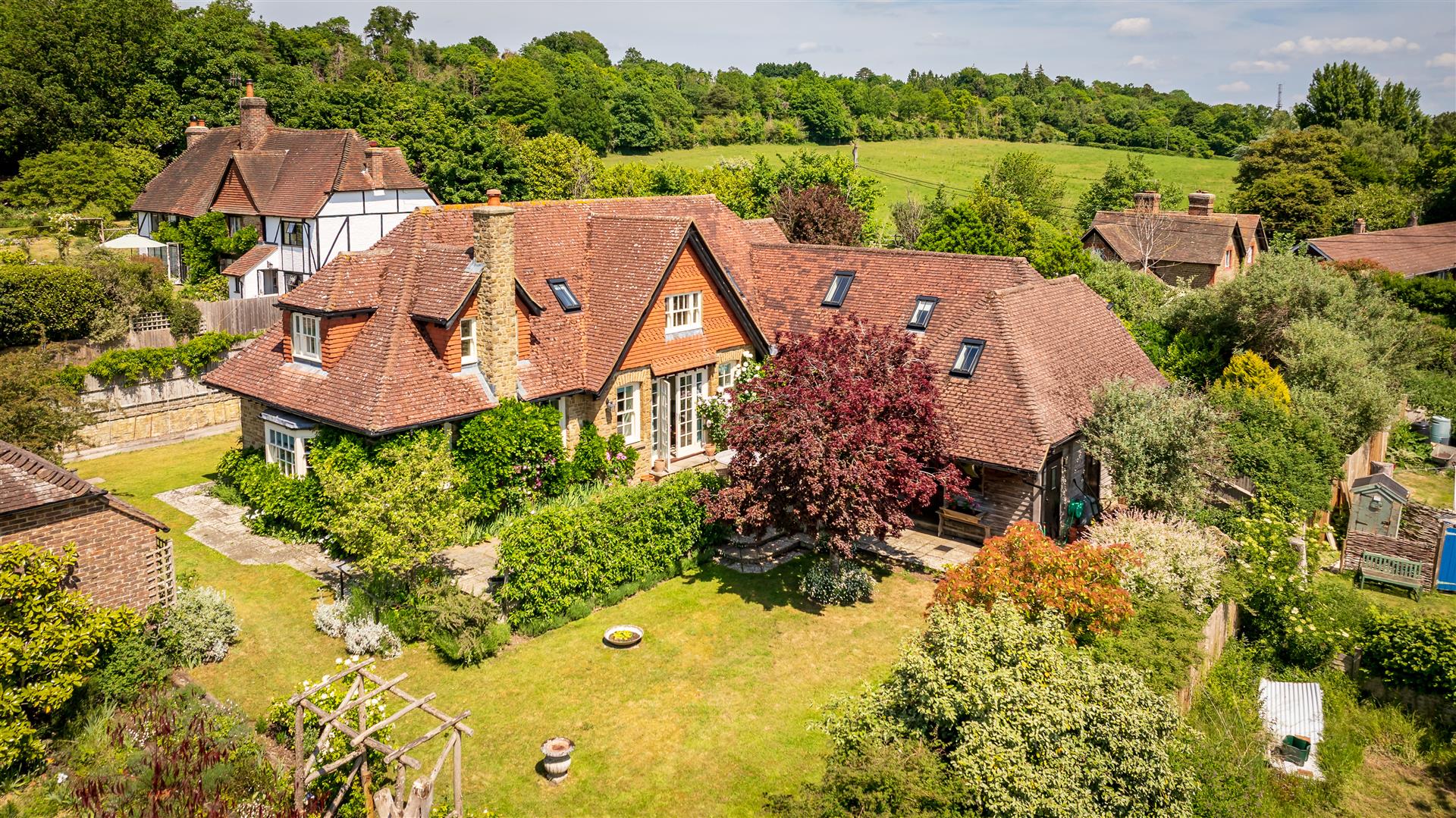
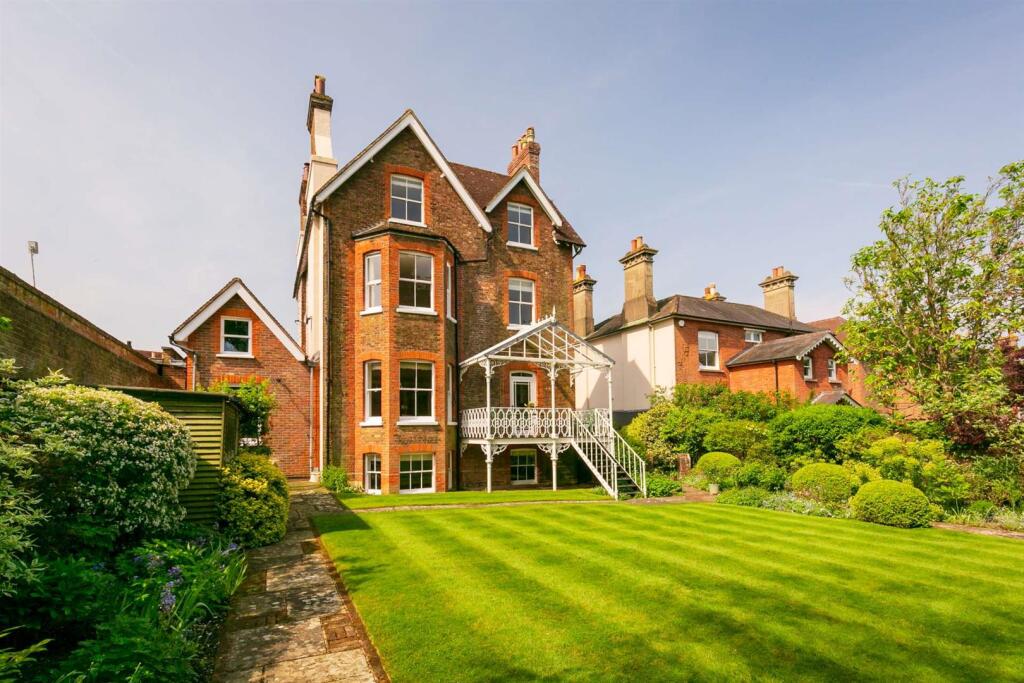
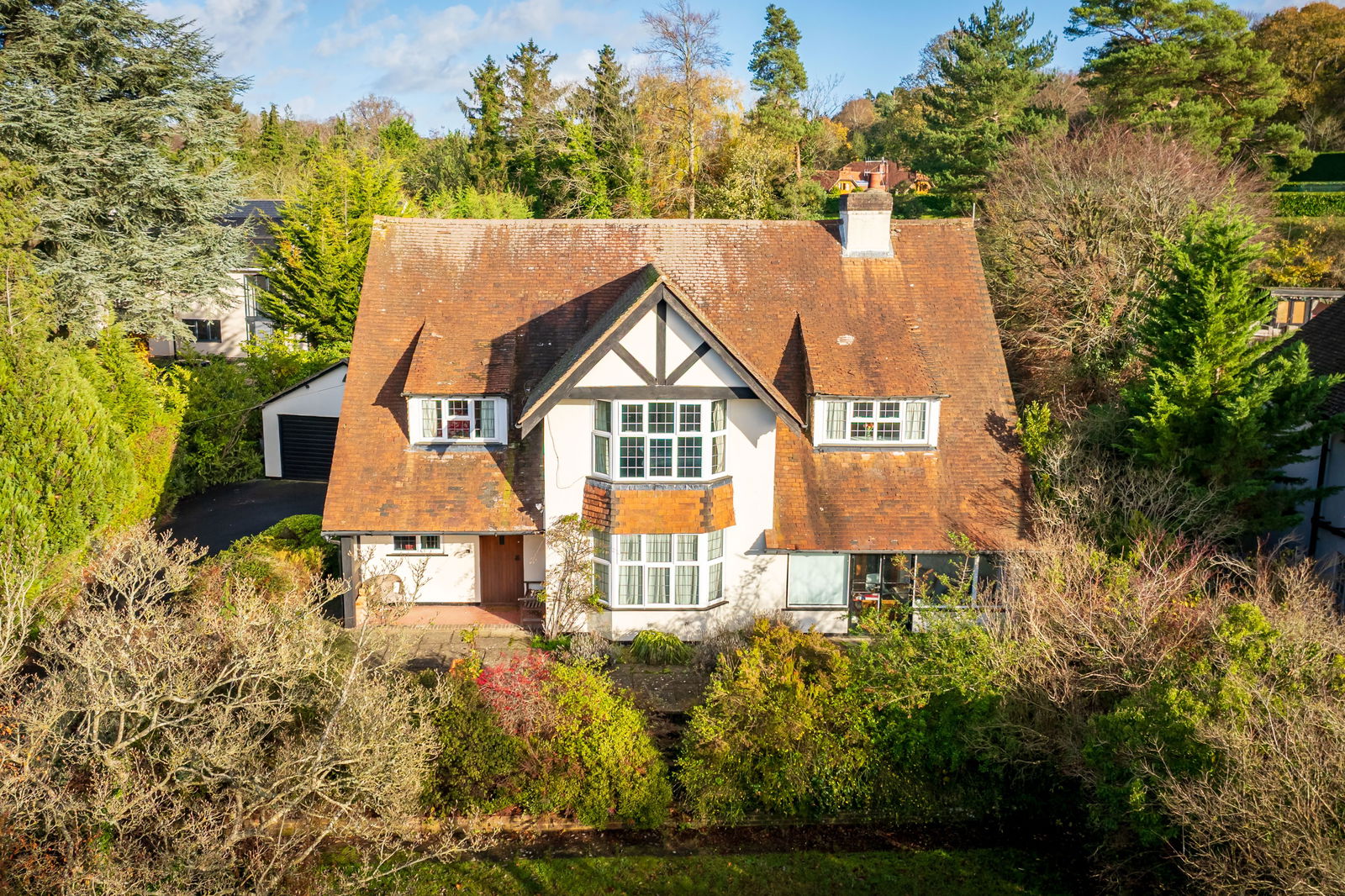
Properties currently range from £1,595,000 to £2,450,000.

View all Surrey properties