National Trust in Surrey
The National Trust looks after a surprising amount of Surrey, from grand Edwardian houses to chalk downland and ancient commons. Most are within a short drive of the properties on this site.
Historic Houses & Gardens
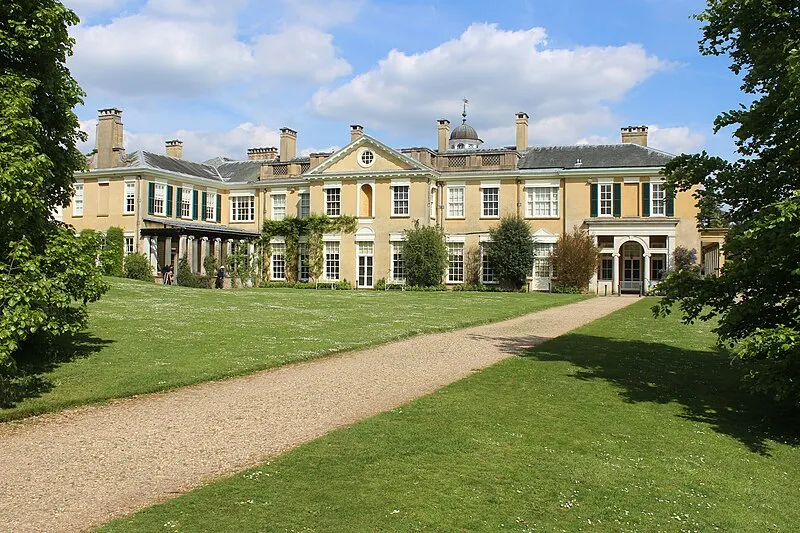
Polesden Lacey
A magnificent Edwardian country house set in 1,400 acres of rolling Surrey Hills. Once the glamorous retreat of society hostess Mrs Greville, the estate features fine gardens, good woodland walks, and an open-air theatre season in summer.
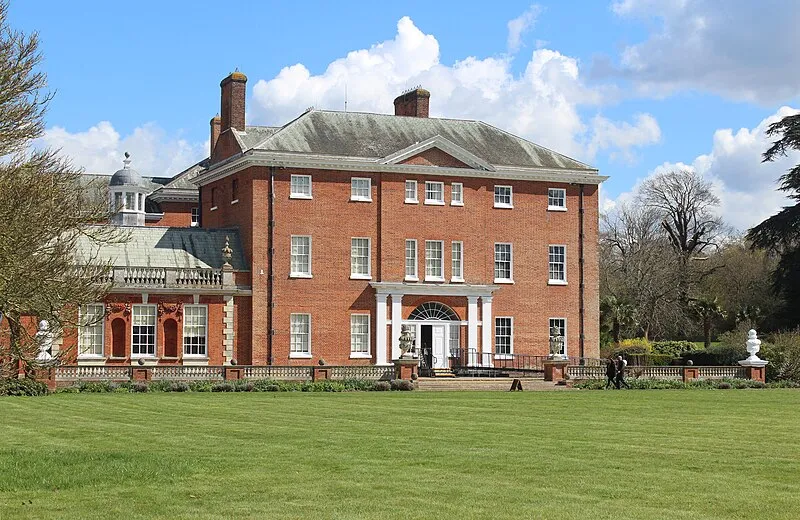
Hatchlands Park
A handsome Georgian mansion built for Admiral Boscawen with interiors by Robert Adam. Home to the Cobbe Collection, the world's largest group of keyboard instruments associated with famous composers, set within 430 acres of parkland.
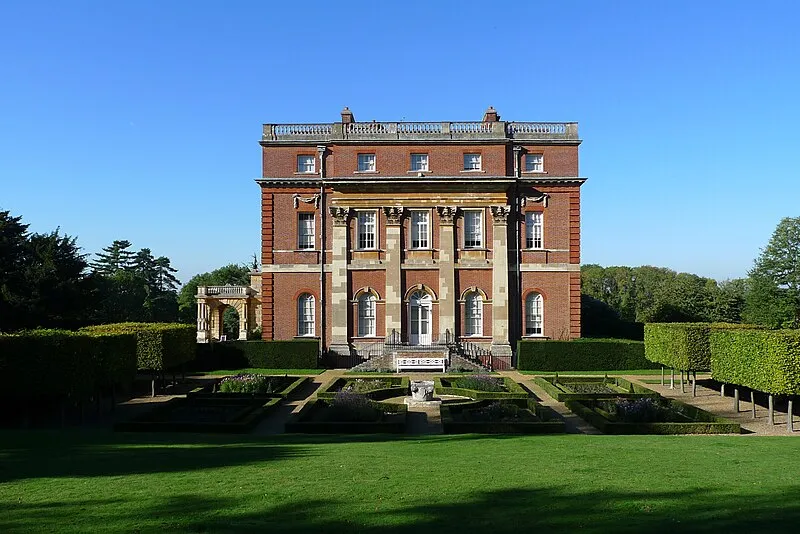
Clandon Park
An 18th-century Palladian mansion currently undergoing a pioneering conservation project following a devastating fire in 2015. The surrounding gardens and parkland remain open to visitors, offering a rare chance to witness heritage restoration in progress.
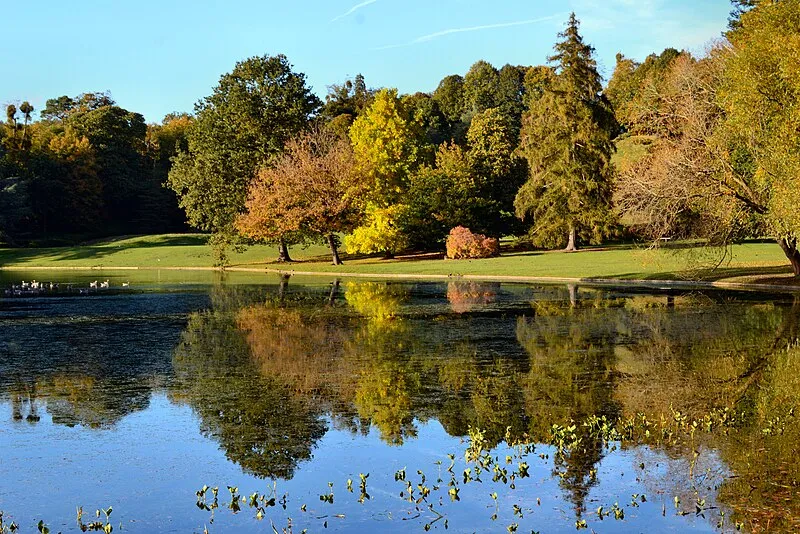
Claremont Landscape Garden
One of the earliest surviving English landscape gardens, created before 1720 and improved by some of the greatest names in garden design including Vanbrugh, Bridgeman, Kent, and Capability Brown. Features a tranquil lake, island, grotto, and turf amphitheatre.
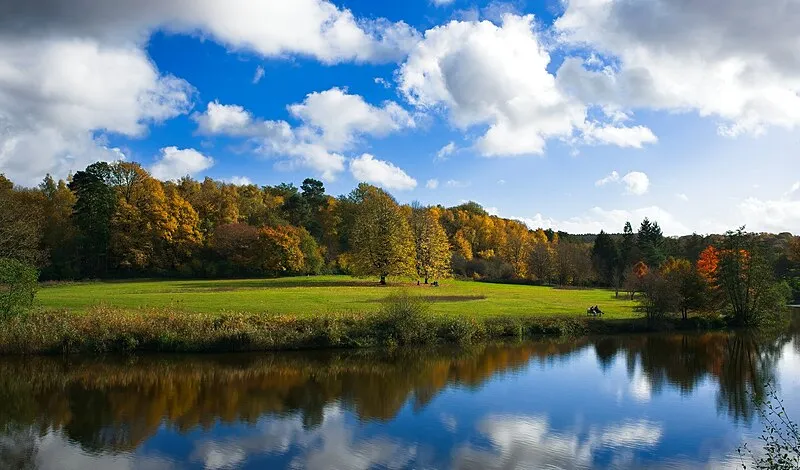
Winkworth Arboretum
A hillside woodland of over 1,000 different shrubs and trees, planted from 1938 by Dr Wilfrid Fox. The bluebell displays in spring and autumn colour reflected in the lake are both worth a special trip.
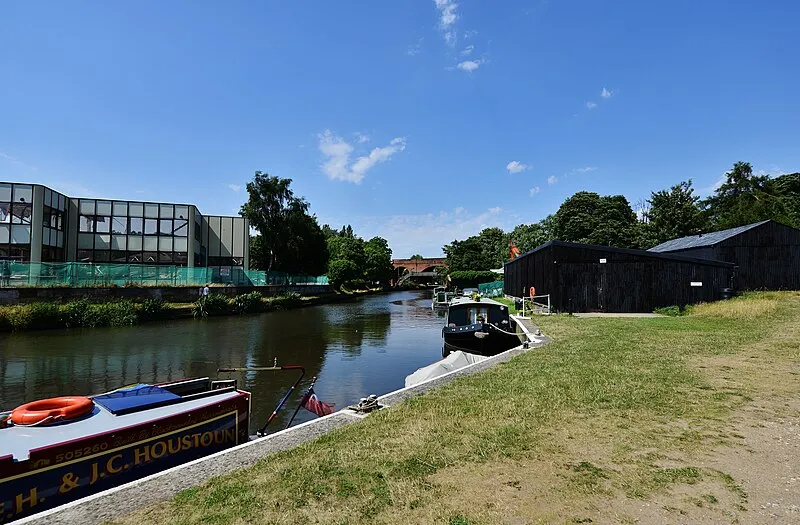
Dapdune Wharf
A restored wharf on the River Wey Navigation in central Guildford, telling the story of Surrey's waterways. Explore the historic Reliance barge, discover the history of the Wey Navigation, and enjoy peaceful riverside walks.
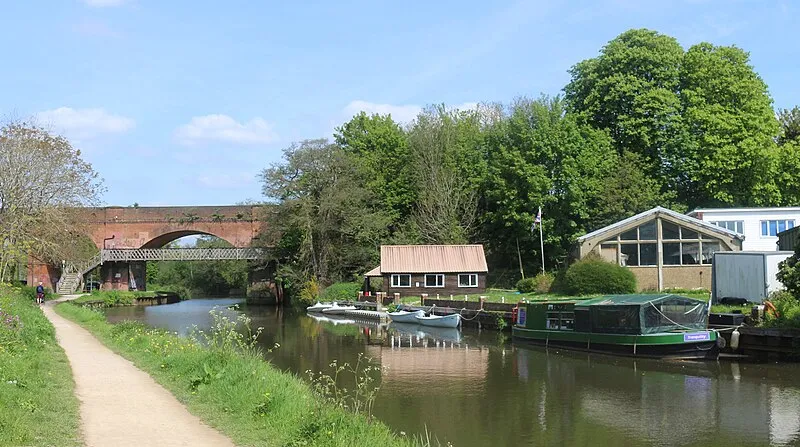
River Wey & Godalming Navigations
One of the first rivers in England to be made navigable, dating from 1653. Today its towpath offers peaceful walking and cycling through the Surrey countryside, passing lock-keeper's cottages, historic bridges, and tranquil meadows.
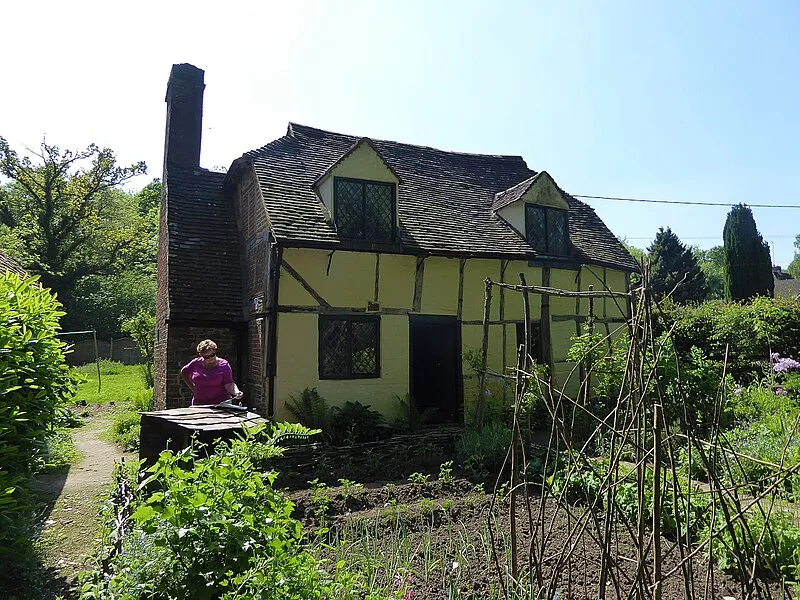
Oakhurst Cottage
A beautifully restored small 16th-century timber-framed cottage, offering a rare and intimate glimpse into the life of a modest Surrey labourer's family across four centuries. Furnished with period pieces from its long history.
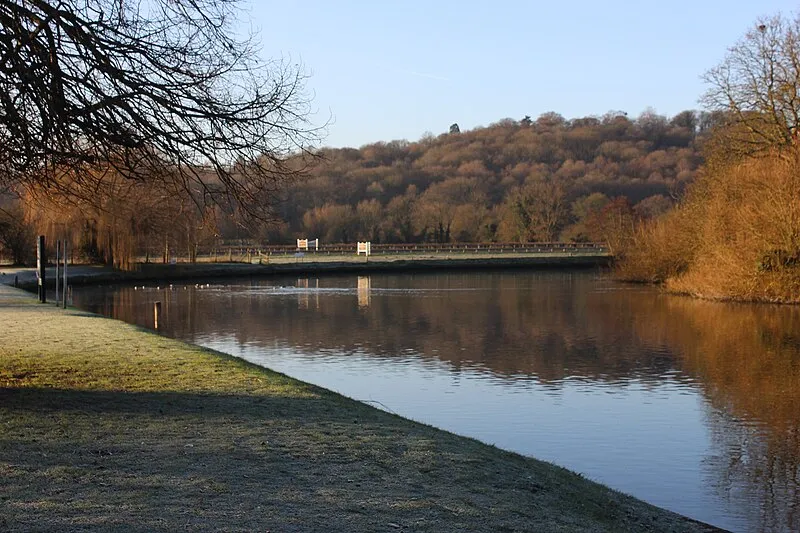
Runnymede & Ankerwycke
The historic meadows where Magna Carta was sealed in 1215. This landscape of national significance includes the JFK Memorial, the ABA Memorial, and the ancient Ankerwycke yew, believed to be over 2,000 years old.
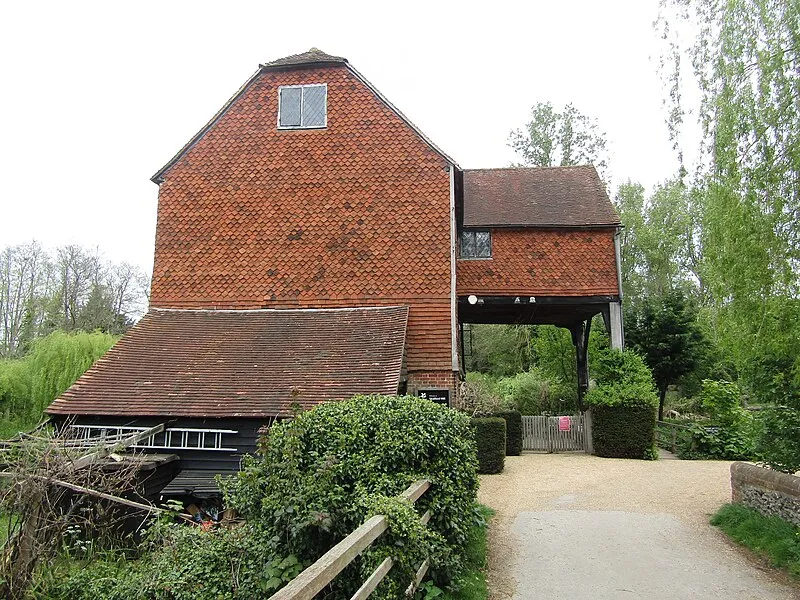
Shalford Mill
A picturesque 18th-century watermill on the Tillingbourne river, saved from demolition in 1932 by a group of anonymous preservationists known as Ferguson's Gang. A charming piece of rural Surrey heritage.
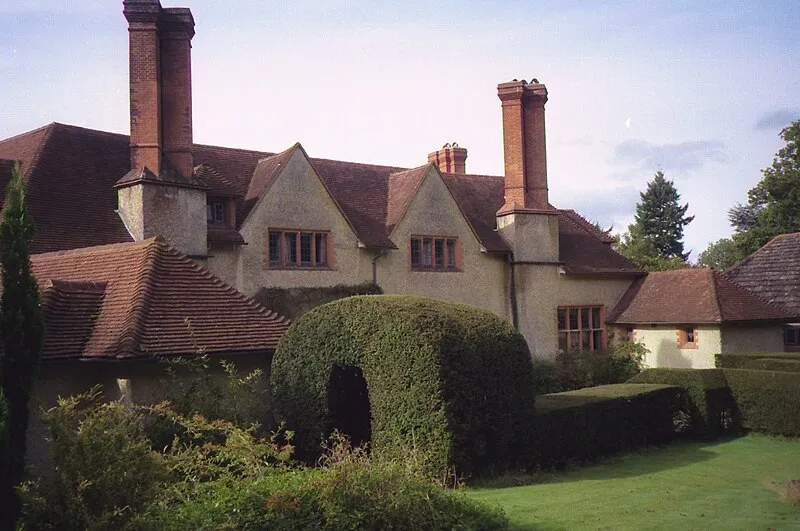
Goddards
A fine Arts and Crafts house designed by Sir Edwin Lutyens in 1898, set in a garden by Gertrude Jekyll. Originally built as a rest home for "ladies of small means", it showcases the distinctive Lutyens-Jekyll collaboration at its finest.
Countryside & Nature
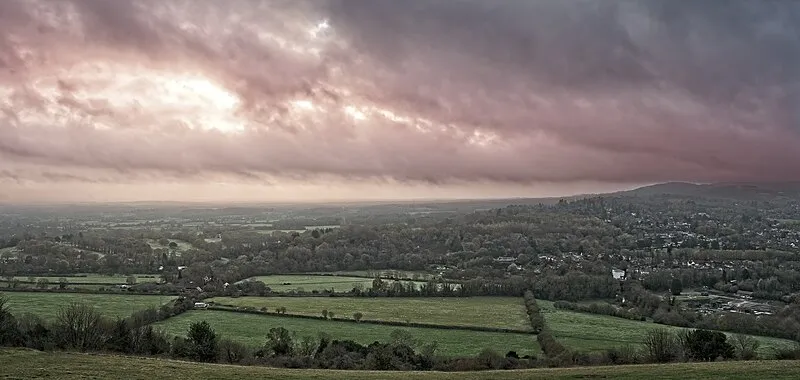
Box Hill
One of Surrey's most iconic landscapes, rising to over 200 metres with panoramic views across the Weald. Famous for its ancient box woodland, chalk grassland, and the stepping stones across the River Mole. A key venue for the 2012 Olympic cycling road race.
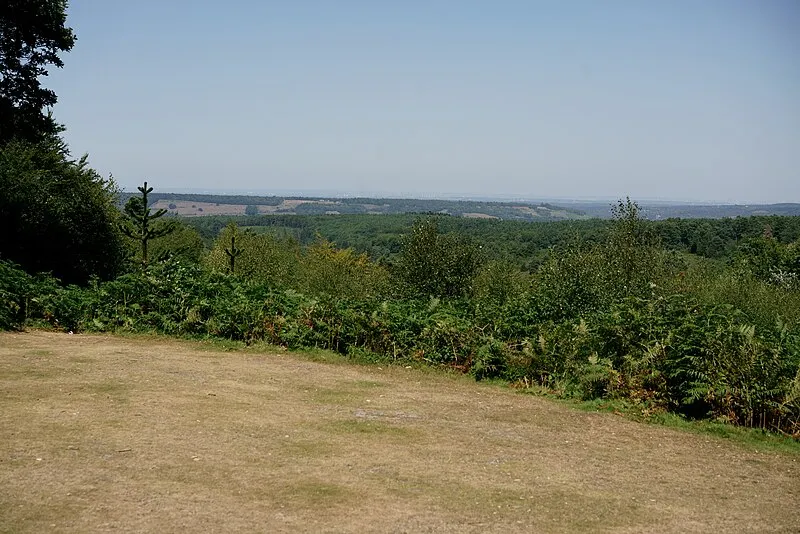
Leith Hill
The highest point in south-east England at 294 metres. Crowned by an 18th-century tower built by Richard Hull in 1765, from which you can see the English Channel on a clear day. Surrounded by ancient woodland rich in wildlife.
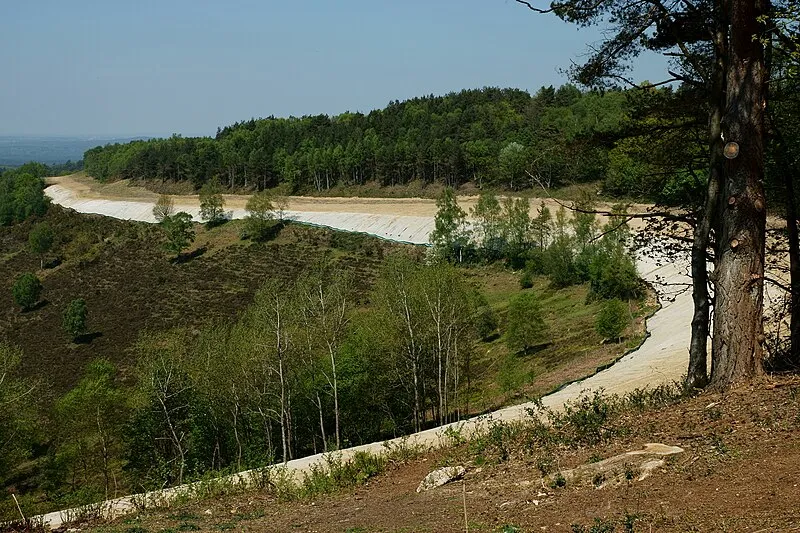
Hindhead Commons & The Devil's Punch Bowl
A dramatic natural amphitheatre of heathland and woodland, transformed since the A3 tunnel opened in 2011. Once bisected by a busy road, it is now a peaceful 1,600-acre expanse of heather, gorse, and Scots pine, teeming with rare birds and wildlife.
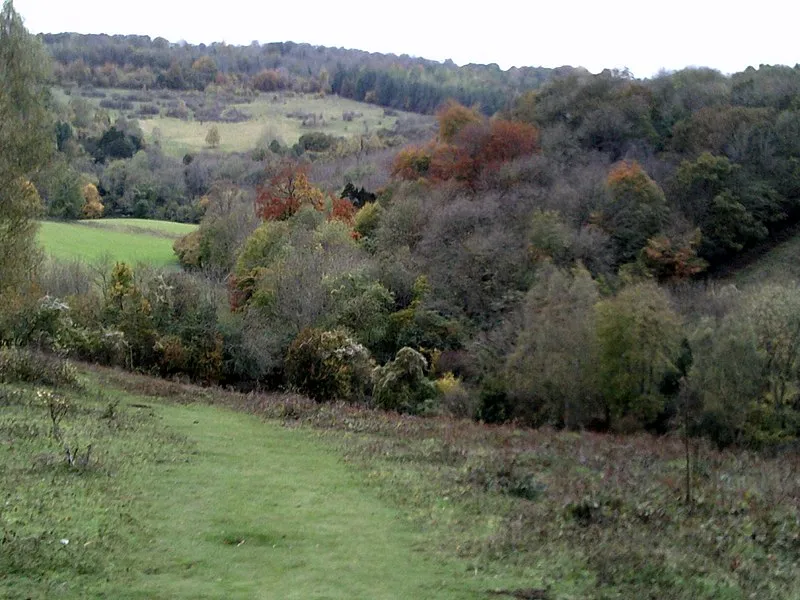
Headley Heath
Over 500 acres of open heathland, chalk downland, and woodland on the North Downs. One of Surrey's most important wildlife sites, supporting rare orchids, butterflies, and birds. Popular with walkers, riders, and nature enthusiasts.
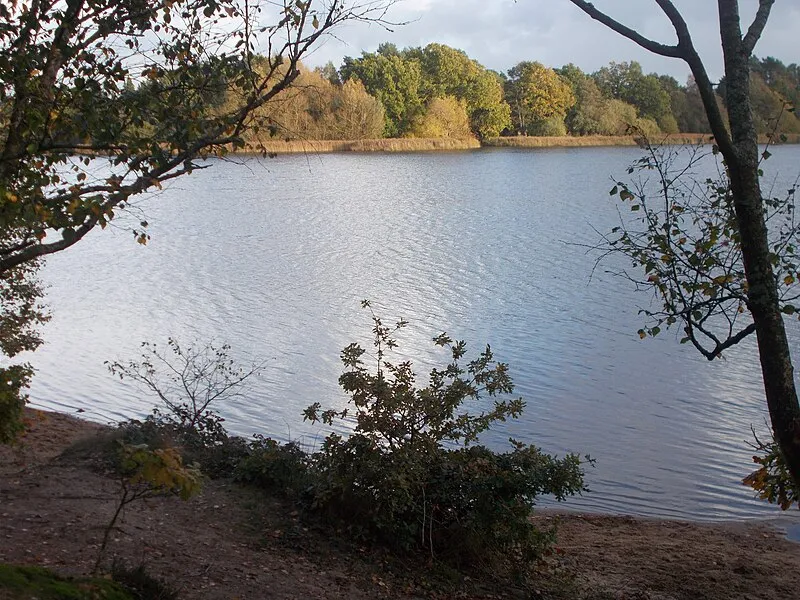
Frensham Little Pond
A tranquil medieval fishpond surrounded by heath and woodland. Popular for gentle walks, birdwatching, and peaceful picnics. Together with nearby Great Pond, it forms part of a beautiful heathland landscape managed for wildlife and quiet recreation.
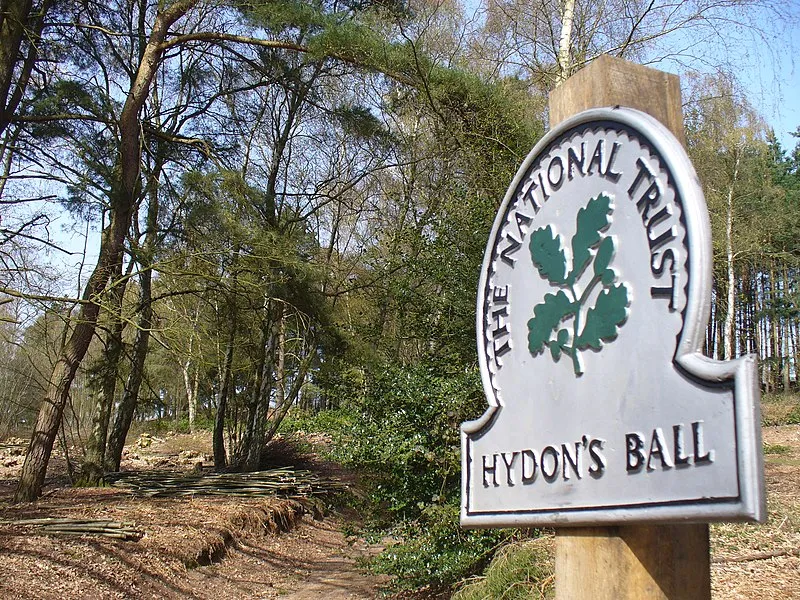
Hydon's Ball & Hydon Heath
A peaceful hilltop with panoramic views across the Weald, topped by a memorial seat dedicated to Octavia Hill, co-founder of the National Trust. The surrounding heath and woodland offer quiet walks through one of Surrey's most serene landscapes.
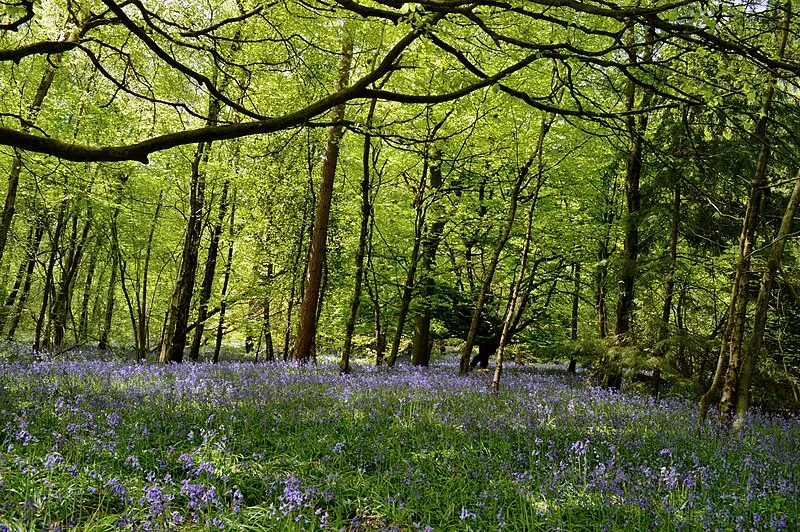
Ranmore Common
A large expanse of woodland and open grassland on the North Downs, offering far-reaching views and linking to the North Downs Way. Rich in wildflowers and butterflies in summer, with well-marked trails for walking and cycling.
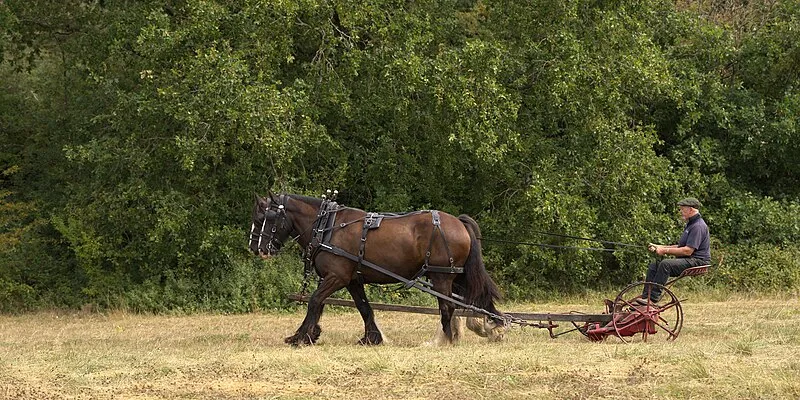
Bookham Commons
Ancient common land with a rich mosaic of woodland, grassland, and ponds. One of the longest-studied wildlife sites in Britain, continuously surveyed since 1941. A haven for butterflies, fungi, and birds within easy reach of London.
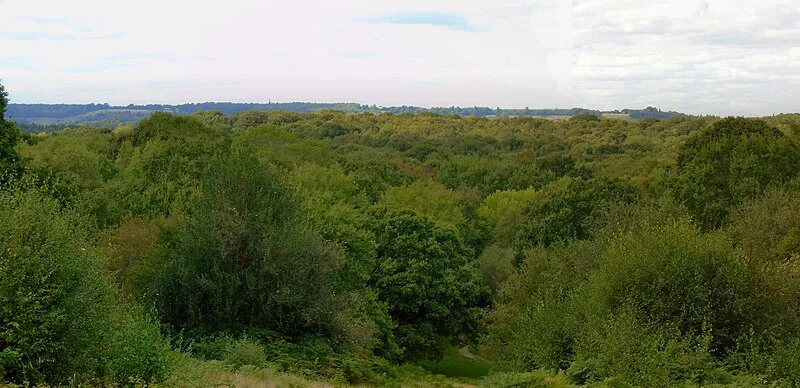
Holmwood Common
One of the largest remaining areas of common land in Surrey, covering around 600 acres. A patchwork of heath, bog, and ancient woodland, it is one of the few places in Surrey where you can still find sundew and bog asphodel.
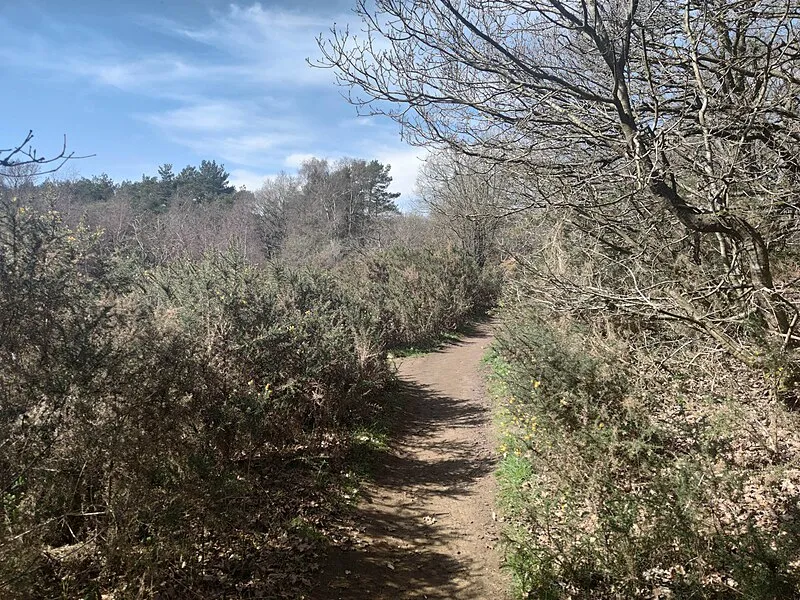
Witley & Milford Commons
Heathland commons rich in wildlife, including nightjars, woodlarks, and silver-studded blue butterflies. The landscape of heather and birch is maintained through traditional grazing, preserving one of Surrey's most valued habitats.
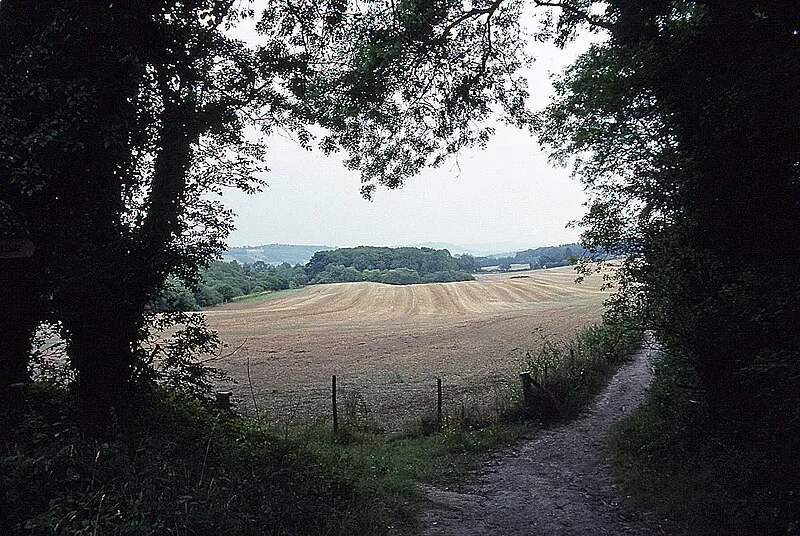
Hackhurst & White Downs
Chalk downland and mixed woodland on the North Downs escarpment, crossed by the Pilgrims' Way. Offers Wide views south across the Weald and supports rich chalk grassland flora including orchids and wild thyme.
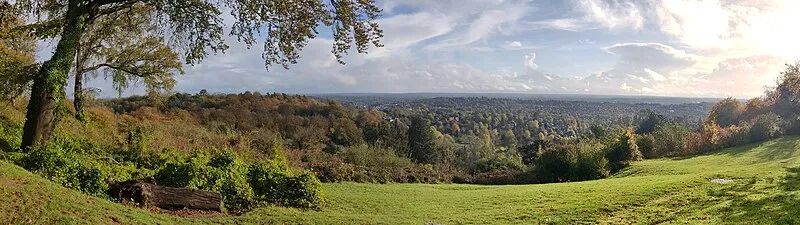
Reigate Hill & Gatton Park
A dramatic stretch of the North Downs with panoramic views from the summit. The Fort, a late Victorian mobilisation fort built in 1898, sits alongside ancient yew trees and chalk grassland rich in wildflowers and butterflies.
Abinger Roughs & Netley Park
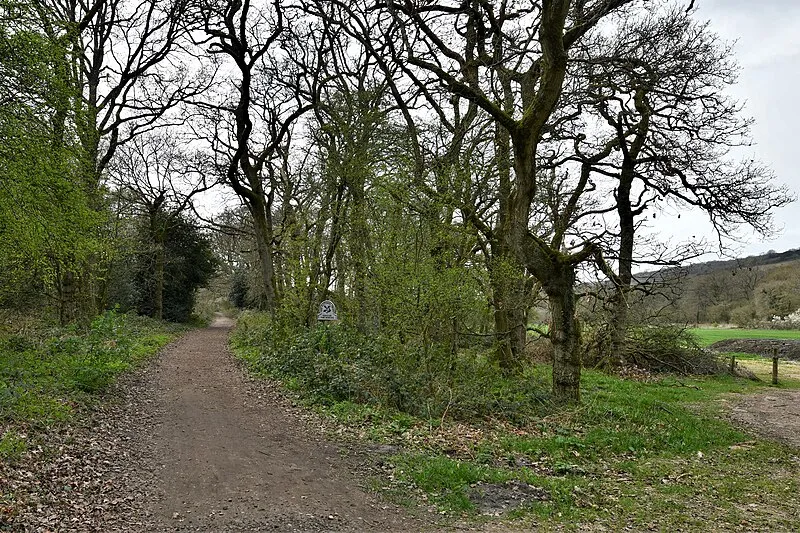
Ancient woodland and grassland on the slopes of the North Downs. Home to bluebells in spring, rare orchids in summer, and the remains of a Mesolithic pit dwelling, one of the earliest known dwellings in Britain.
Toys Hill
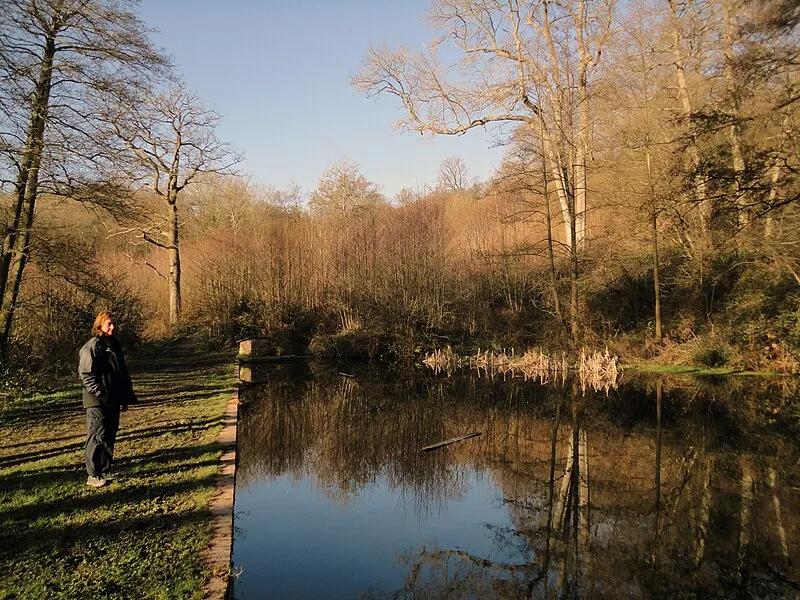
The highest point in Kent on the Surrey border, devastated by the Great Storm of 1987 and now regenerated into a fascinating mix of ancient woodland and natural regrowth. The views across the Weald from Octavia's viewpoint are magnificent.
Mariners Hill
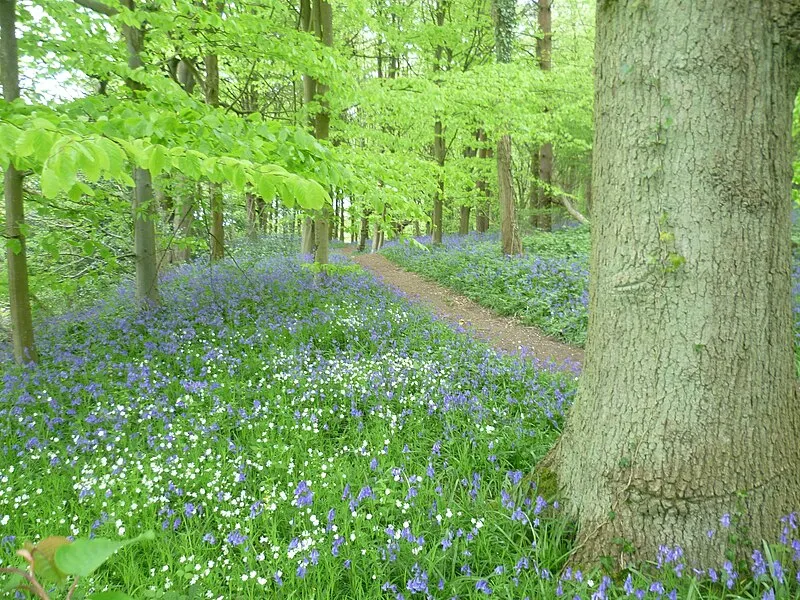
A tranquil hilltop offering views across the Weald. Named after an 18th-century sailor who retired here, a quiet viewpoint that most people walk straight past.
Crooksbury Common & The Sands
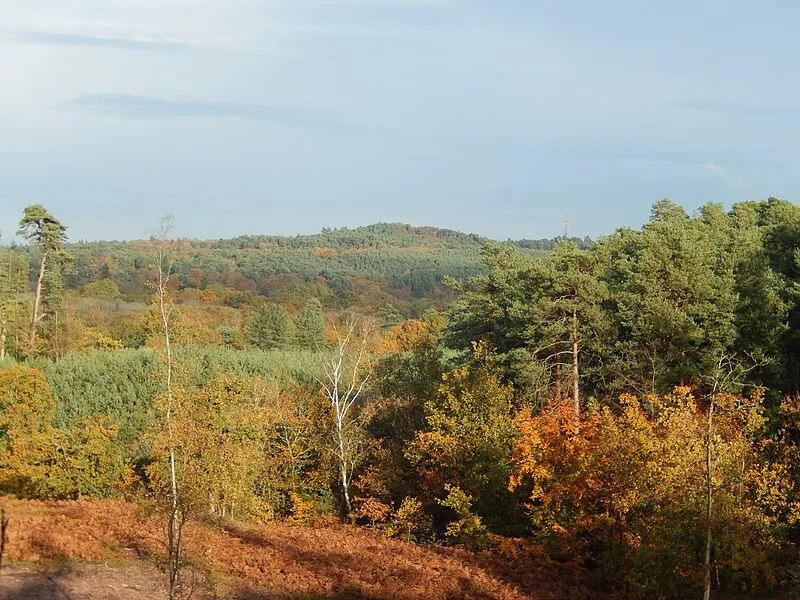
Heathland and woodland on the western edge of Surrey, offering peaceful walks through pine and birch with views over the surrounding countryside. Part of the connected network of heaths that make western Surrey so distinctive.
National Trust in Surrey
The National Trust looks after more than 25 sites in Surrey. That includes country houses, landscape gardens and thousands of acres of open downland, commons and woodland. A lot of it sits within the Surrey Hills AONB.
Polesden Lacey near Dorking is the big draw: 1,400 acres of Surrey Hills countryside, once the retreat of society hostess Mrs Greville. Hatchlands Park near East Clandon has the world's largest collection of keyboard instruments in a Robert Adam interior. Claremont Landscape Garden in Esher is one of the earliest English landscape gardens still intact, designed by Vanbrugh, Bridgeman and Kent.
But it's the countryside land that matters most to day-to-day life in Surrey. Box Hill, Leith Hill, the Devil's Punch Bowl, Ranmore Common, Headley Heath: all National Trust, all free, all open year-round. You can take the kids to Frensham Little Pond on a Saturday afternoon, walk up Leith Hill on a Sunday morning, or catch an open-air play at Polesden Lacey in summer.
Frequently Asked Questions
How many National Trust properties are in Surrey?
The National Trust looks after more than 25 properties and landscapes in Surrey, making it one of the densest concentrations of Trust sites in England. These range from grand country houses such as Polesden Lacey and Hatchlands Park to vast areas of countryside including Box Hill, Leith Hill, Hindhead Commons, and the Devil's Punch Bowl.
What is the best National Trust property in Surrey?
Polesden Lacey near Dorking is widely considered the finest National Trust property in Surrey. This magnificent Edwardian country house is set in 1,400 acres of rolling Surrey Hills, with fine gardens, woodland walks, and an open-air theatre season in summer. The Duke and Duchess of York honeymooned here in 1923.
Is Box Hill National Trust?
Yes, Box Hill is owned and managed by the National Trust. The site is free to visit and open daily year-round. It is one of Surrey's most popular countryside escapes, famous for its panoramic views across the Weald, ancient box woodland, and its role in the 2012 Olympic cycling road race.
Can you visit Polesden Lacey?
Yes, Polesden Lacey is open to visitors. The grounds are open daily, while the house has paid entry and seasonal opening hours. The estate includes formal gardens, open-air theatre in summer, a café, and over 1,400 acres of walks. Check the National Trust website for current opening times and ticket prices.
Which National Trust sites in Surrey are free?
Most of the National Trust's countryside and commons in Surrey are free to visit year-round, including Box Hill, Leith Hill (the tower has a small charge), Hindhead Commons and the Devil's Punch Bowl, Headley Heath, Ranmore Common, Bookham Commons, Frensham Little Pond, Witley and Milford Commons, Runnymede, and the River Wey towpath. The historic houses and formal gardens such as Polesden Lacey, Hatchlands Park, Claremont Landscape Garden, and Winkworth Arboretum have paid entry.
Are dogs allowed at National Trust Surrey properties?
Dogs on leads are welcome at most National Trust countryside sites in Surrey, including Box Hill, Leith Hill, Hindhead Commons, Ranmore Common, and Headley Heath. At the historic house properties such as Polesden Lacey, dogs are generally welcome in the grounds but not inside the house. Some sites ask for dogs to be kept on leads during ground-nesting bird season (March to September). Check individual property pages on the National Trust website for specific policies.
Featured Surrey Properties